Accountability always arrived after the failure. Frontline21 moved it upstream.
A recovery product became a formation identity, and the category changed shape.
Role
Concept, strategy, messaging, creative direction and design.
Campaign partner
Karen Potter, Director of Affiliates, Influencers and Conferences.
Field Note
Atlas of Invisible Forces · Category Gravity
The mark
The Phalanx
Five shields designed to protect one another. Five roles a man aspires to own. A formation in which each discipline reinforces the next.
Moral Courage
Do what is right when it costs you.
The proof
Six influencers, one conference and no paid social advertising. Launched mid October 2025, on the floor that December. The positioning created the attraction.
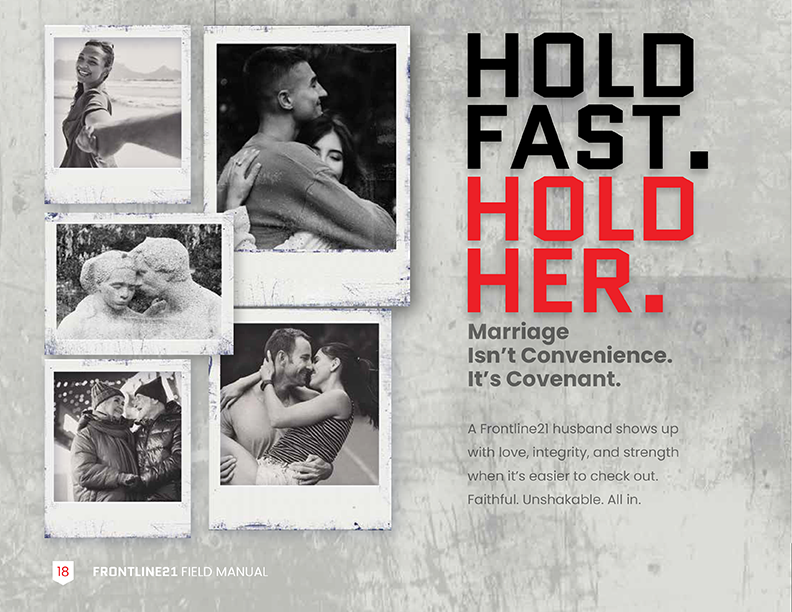
The homefront is the warfront.
The culture war was everywhere men looked. Frontline21 turned them toward the ground they had actually been entrusted to hold. Their own hearts and homes.
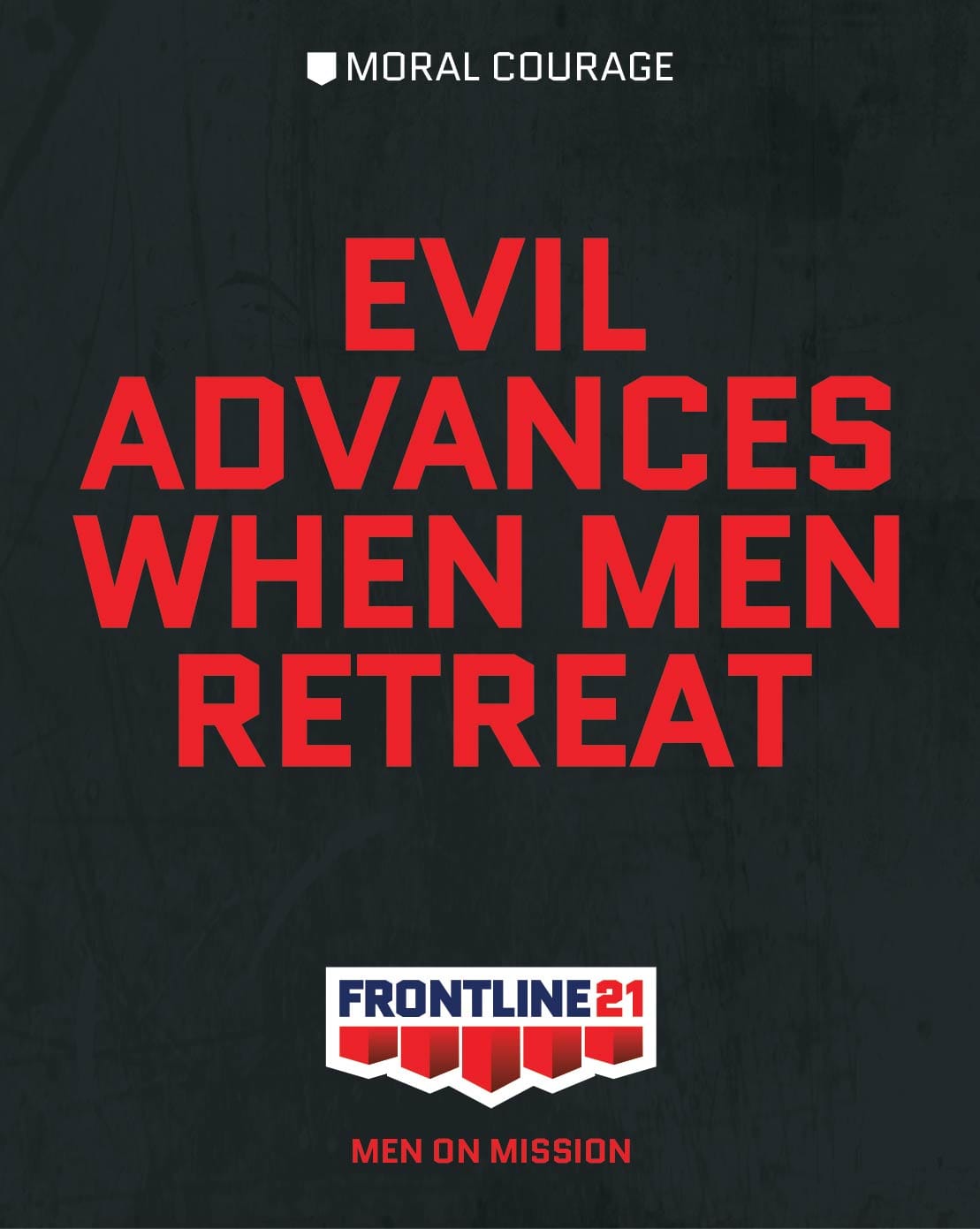
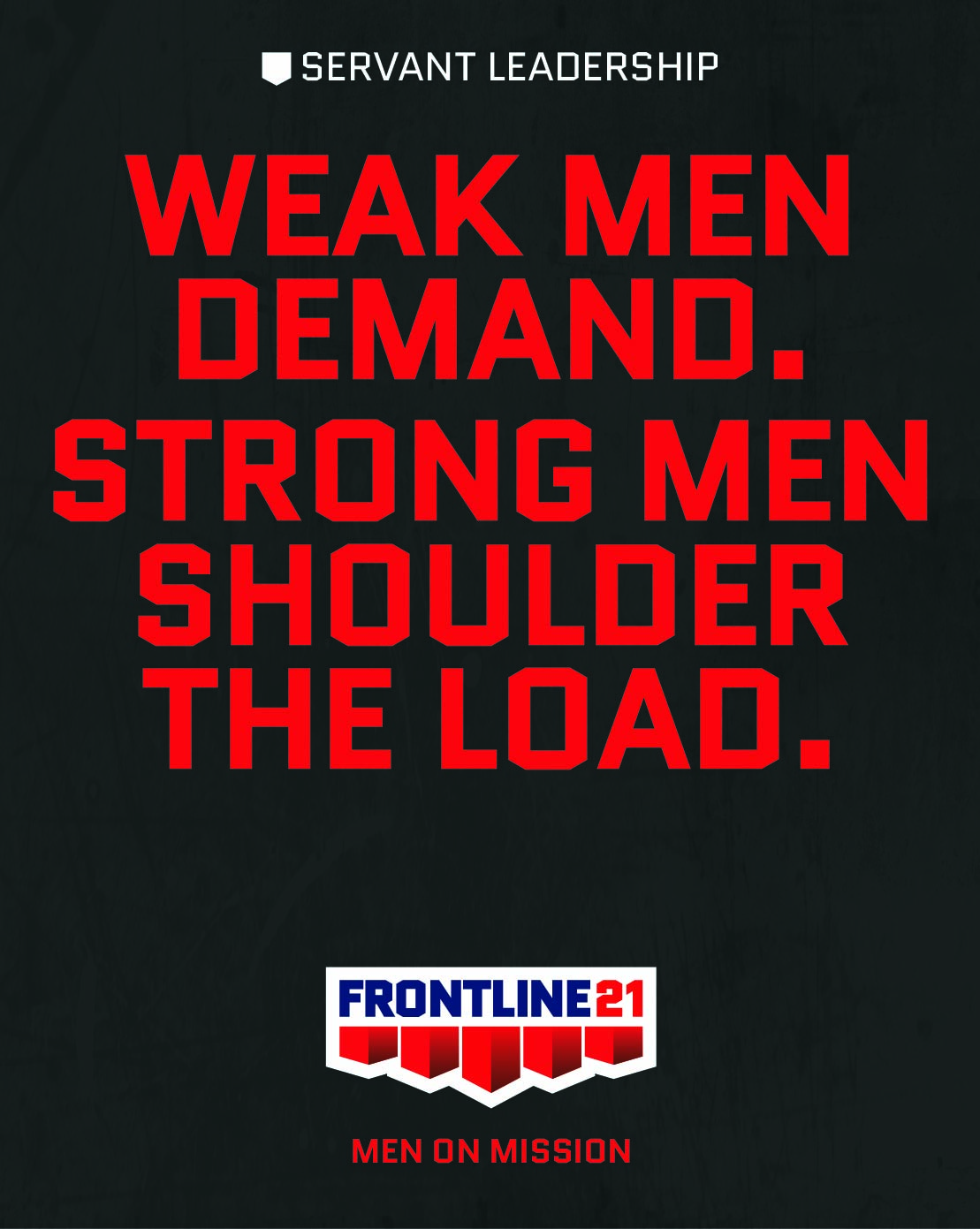
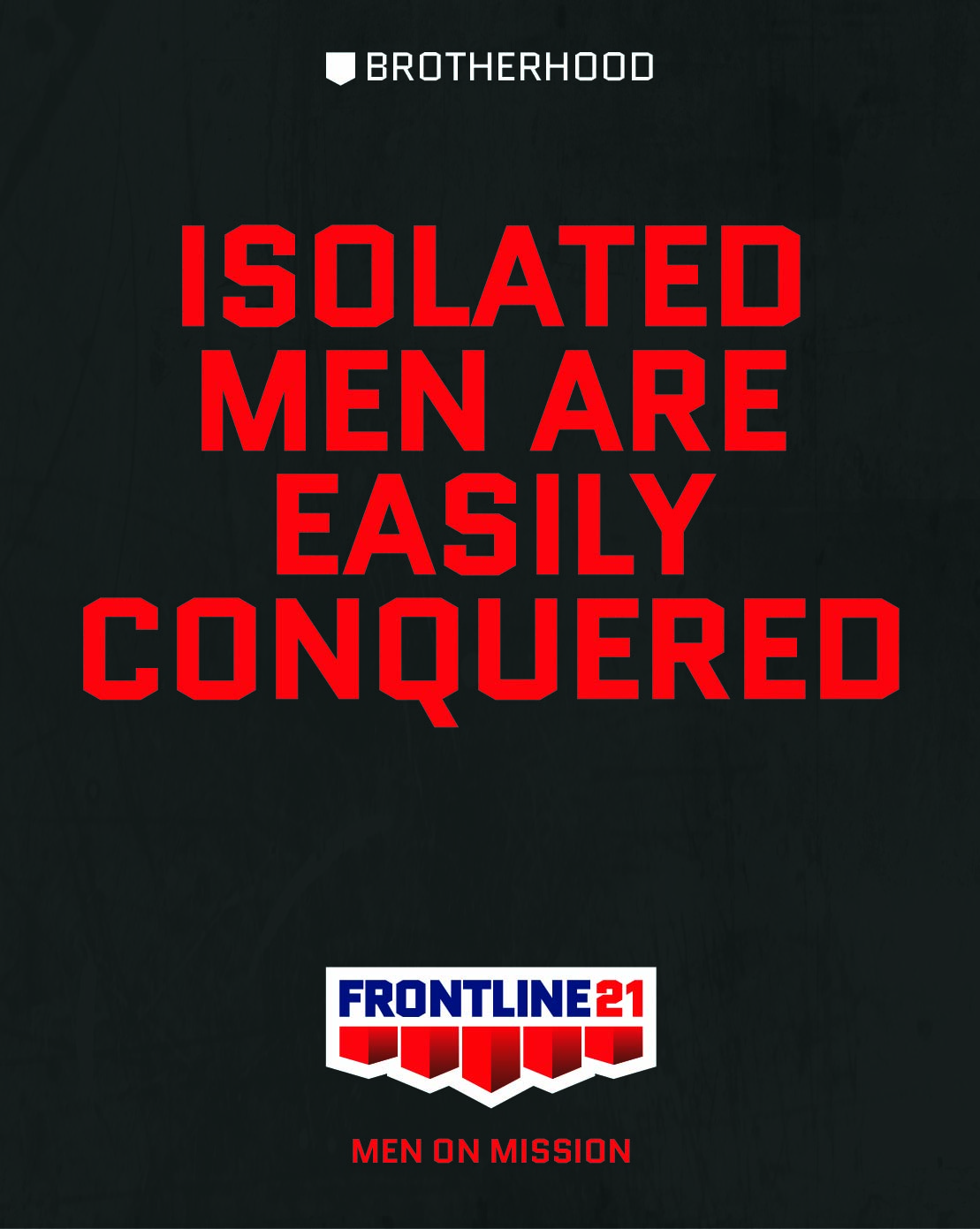
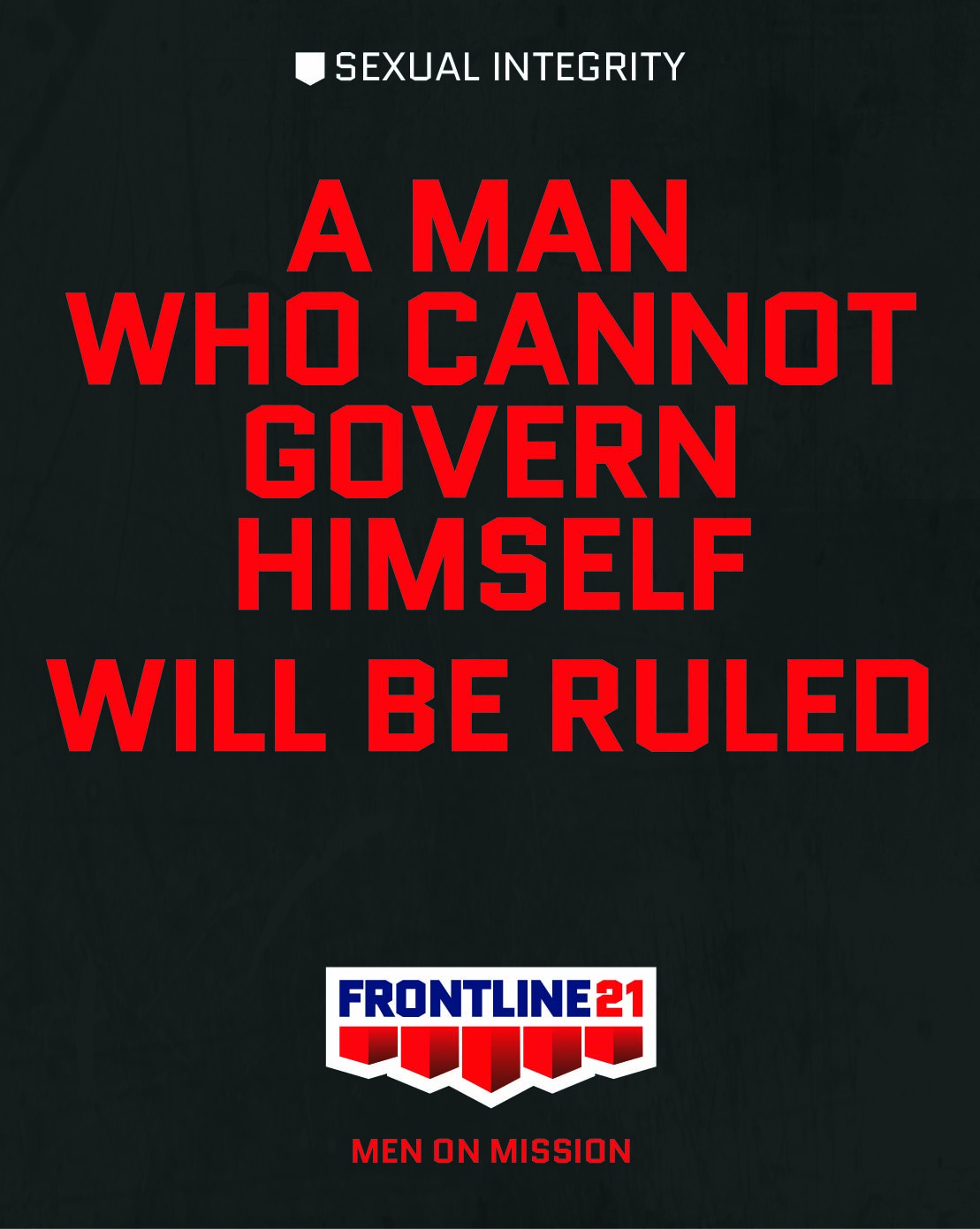
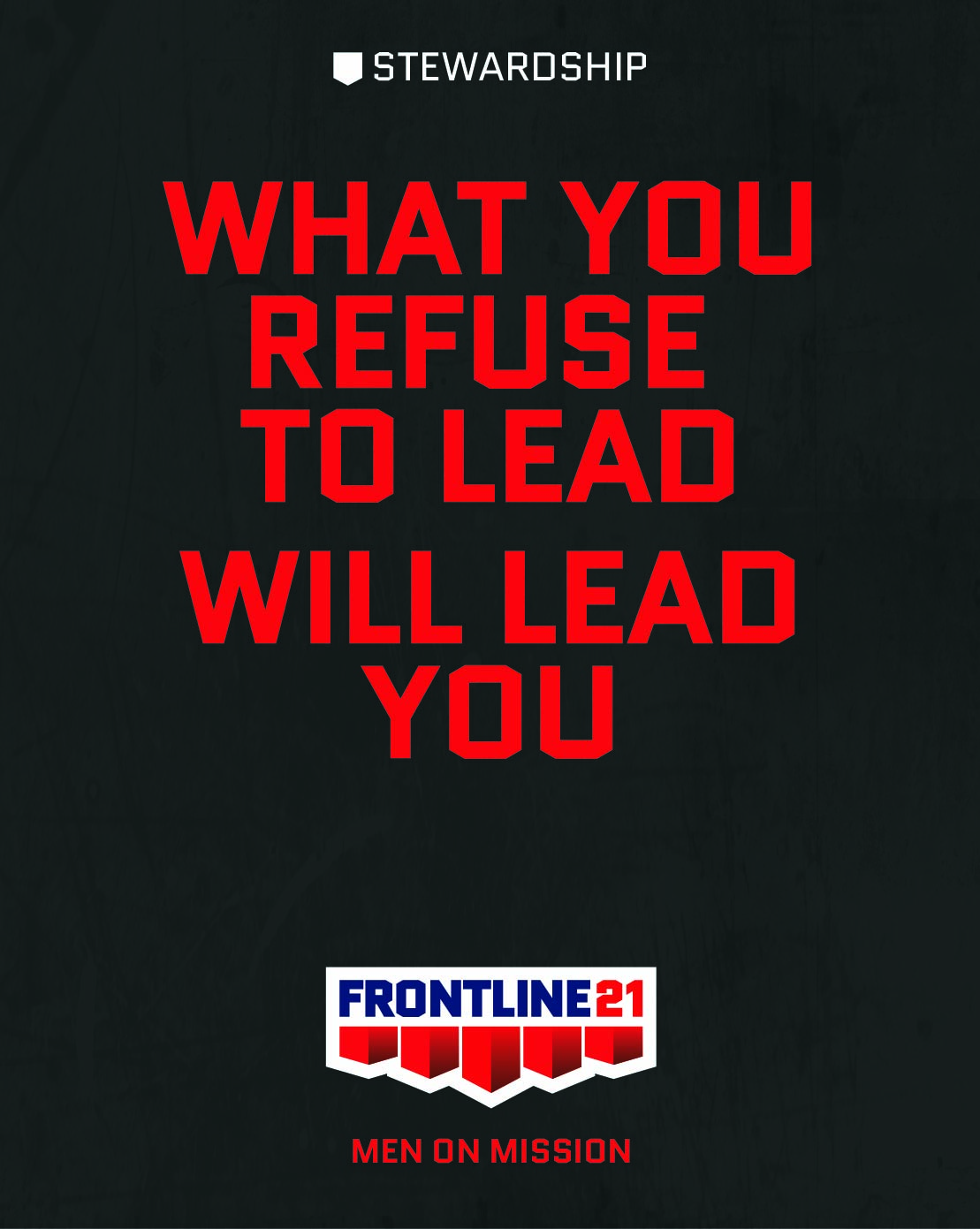
Moral Courage · Daily Encouragement
The voice, made to command a room.
A strong declaration of truth. A humble, economical exposition when it is needed. One voice carried the same conviction through all five disciplines.
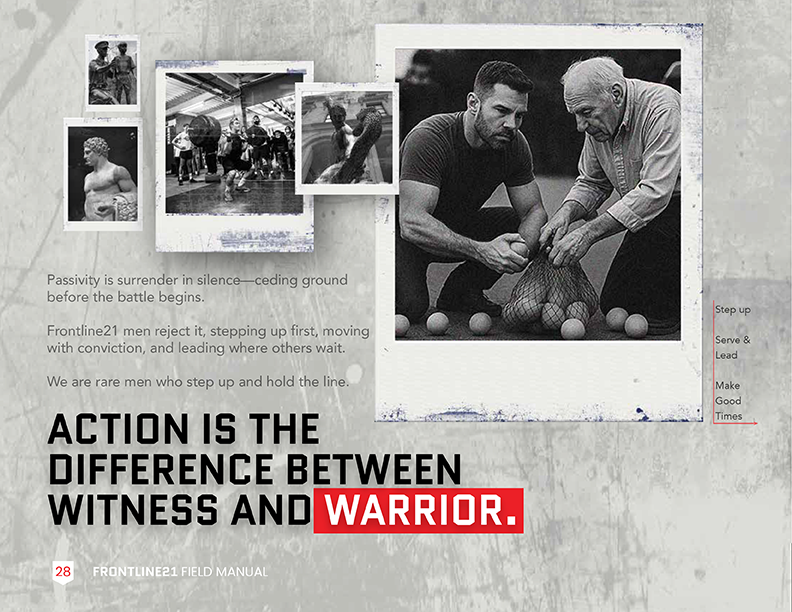
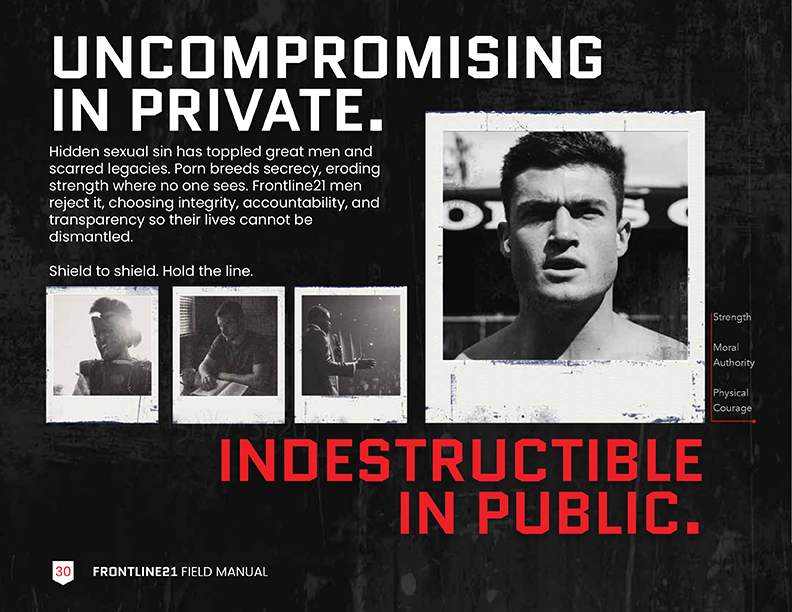
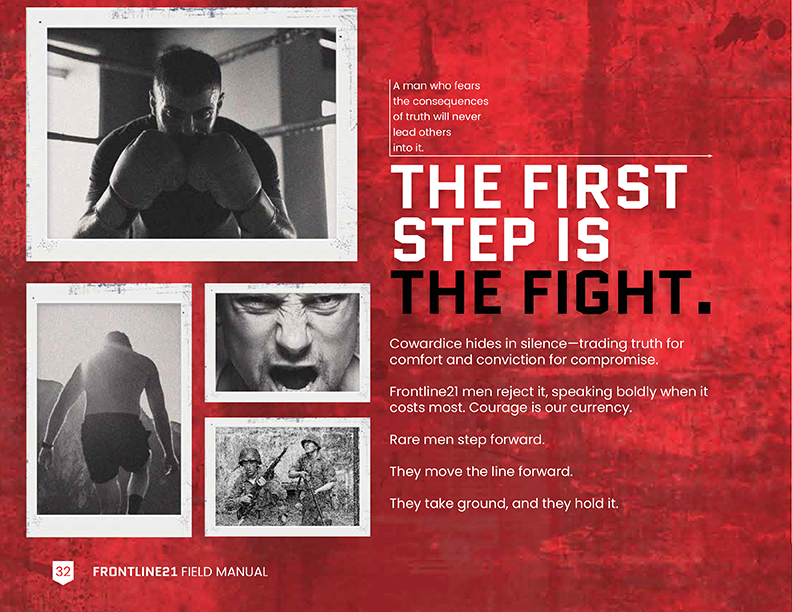
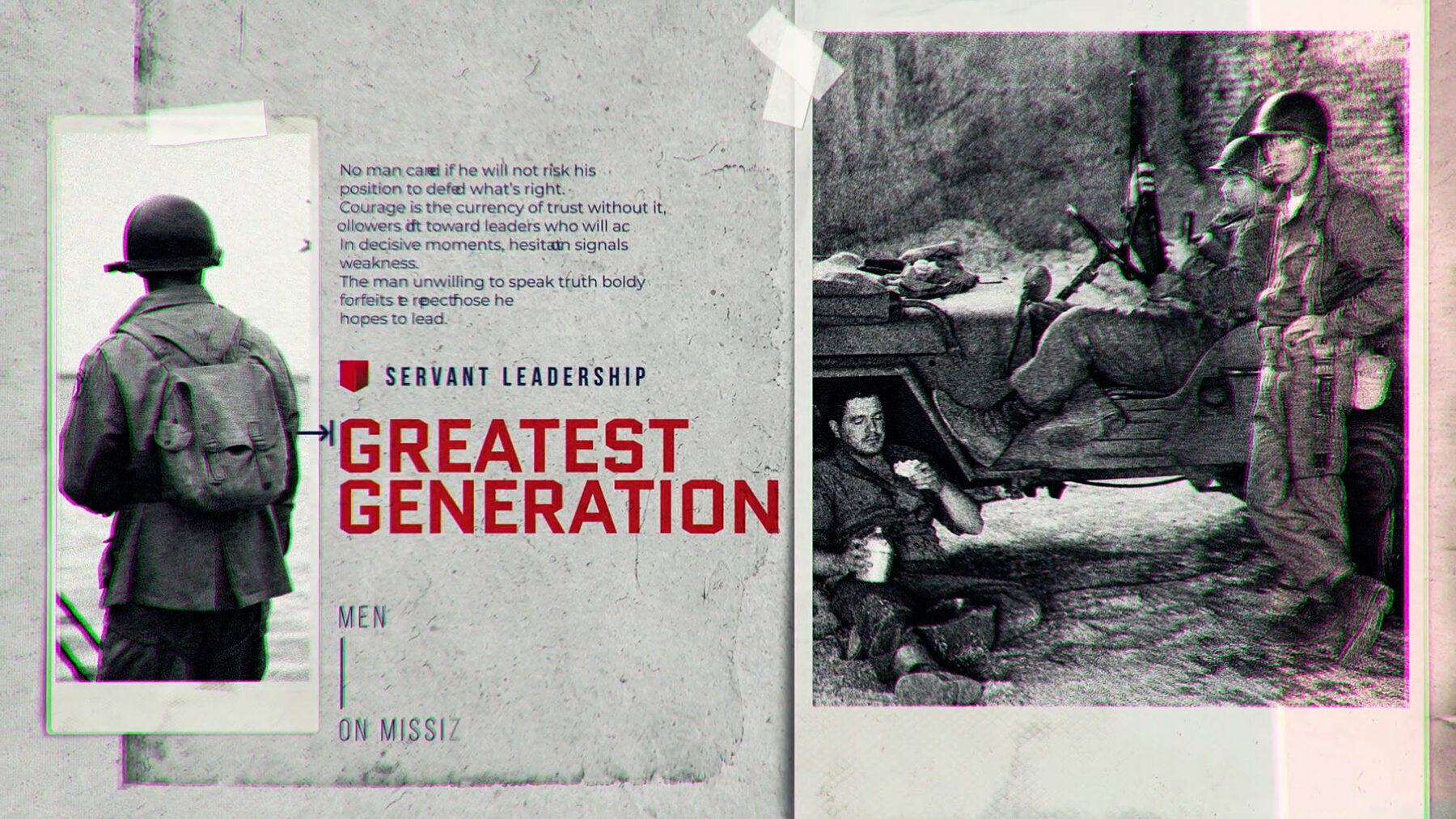
EVERY ERA NEEDS ITS OWN GREATEST GENERATION.
Historical footage · silentThe artifact
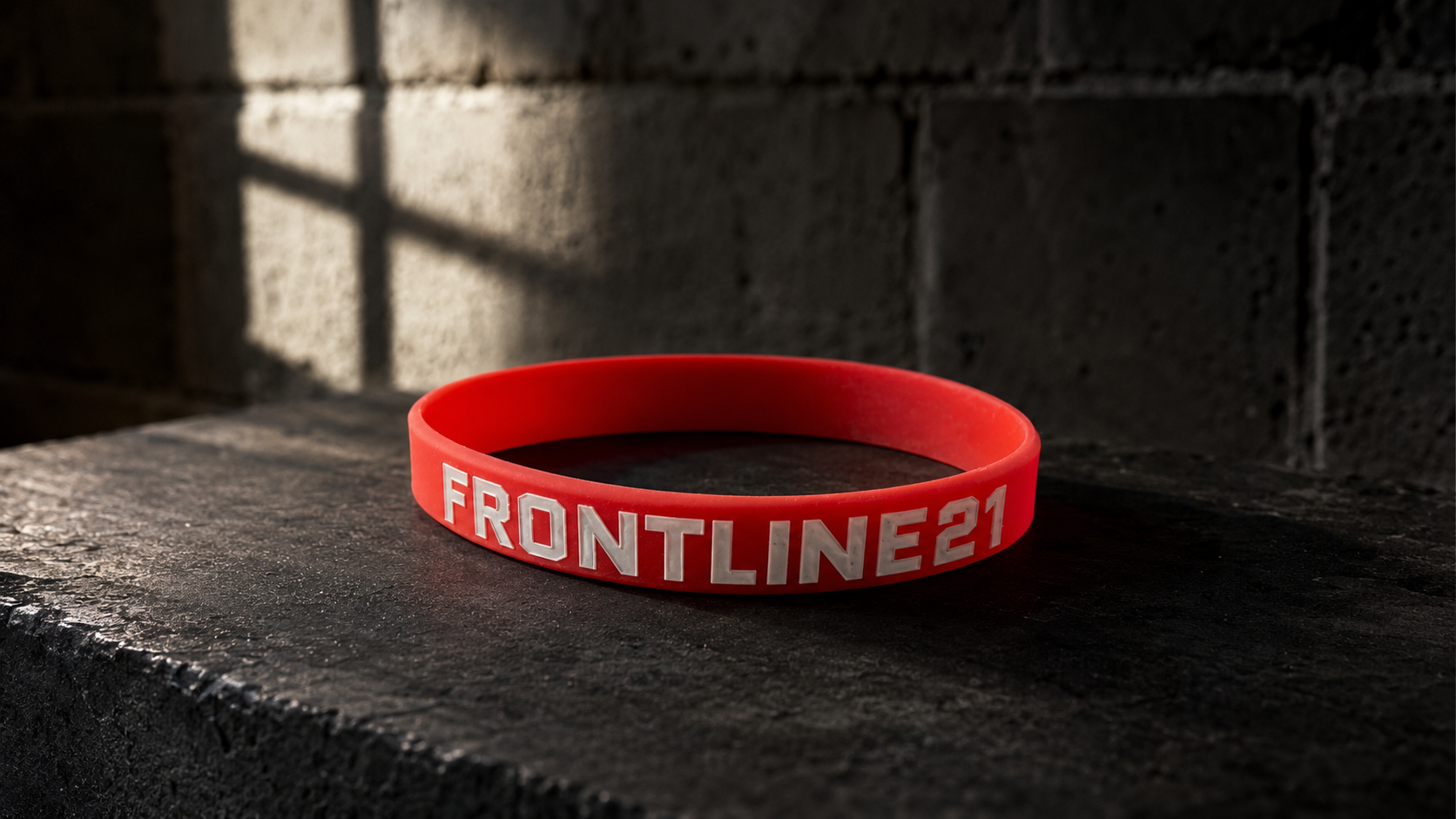
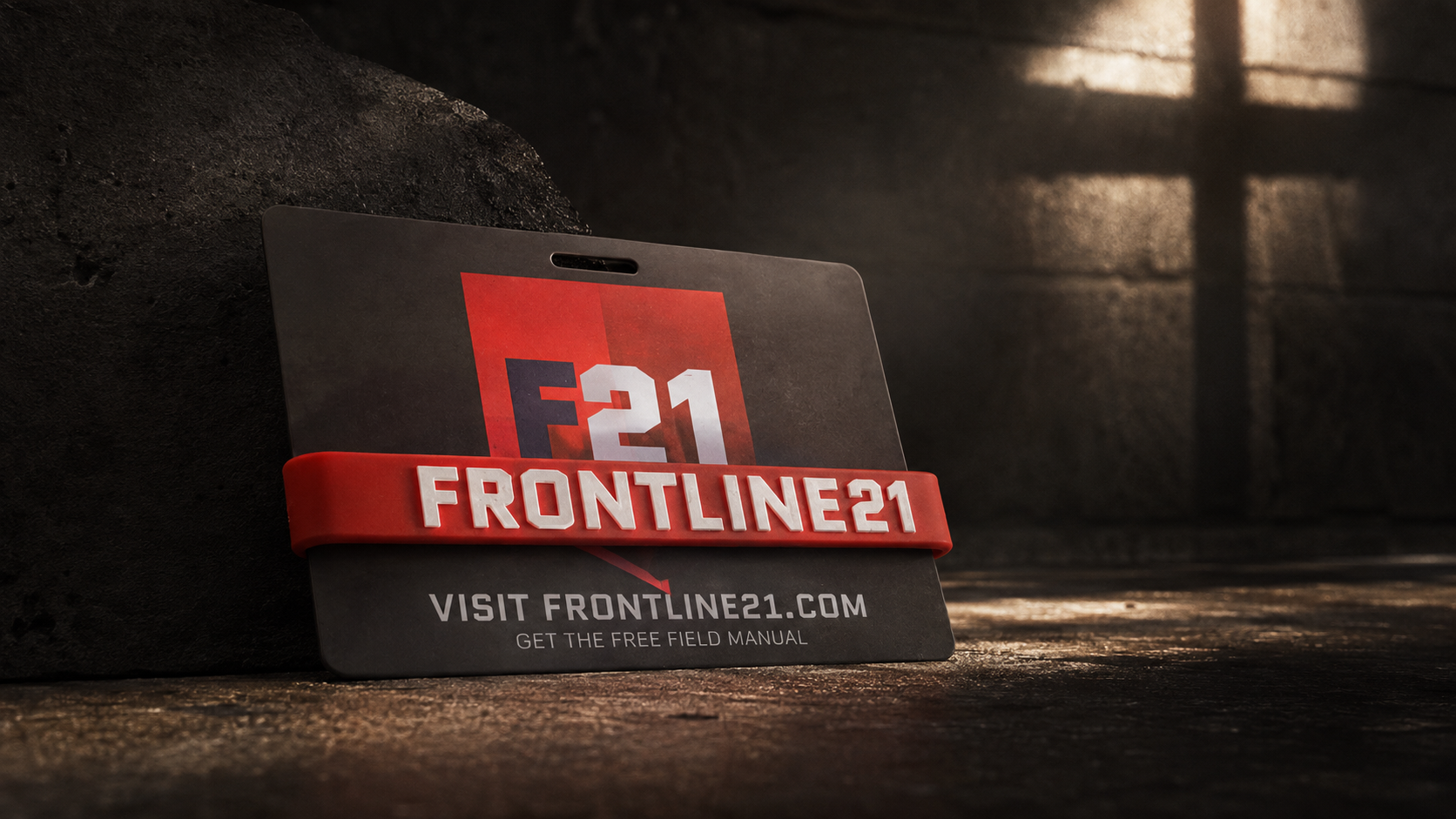
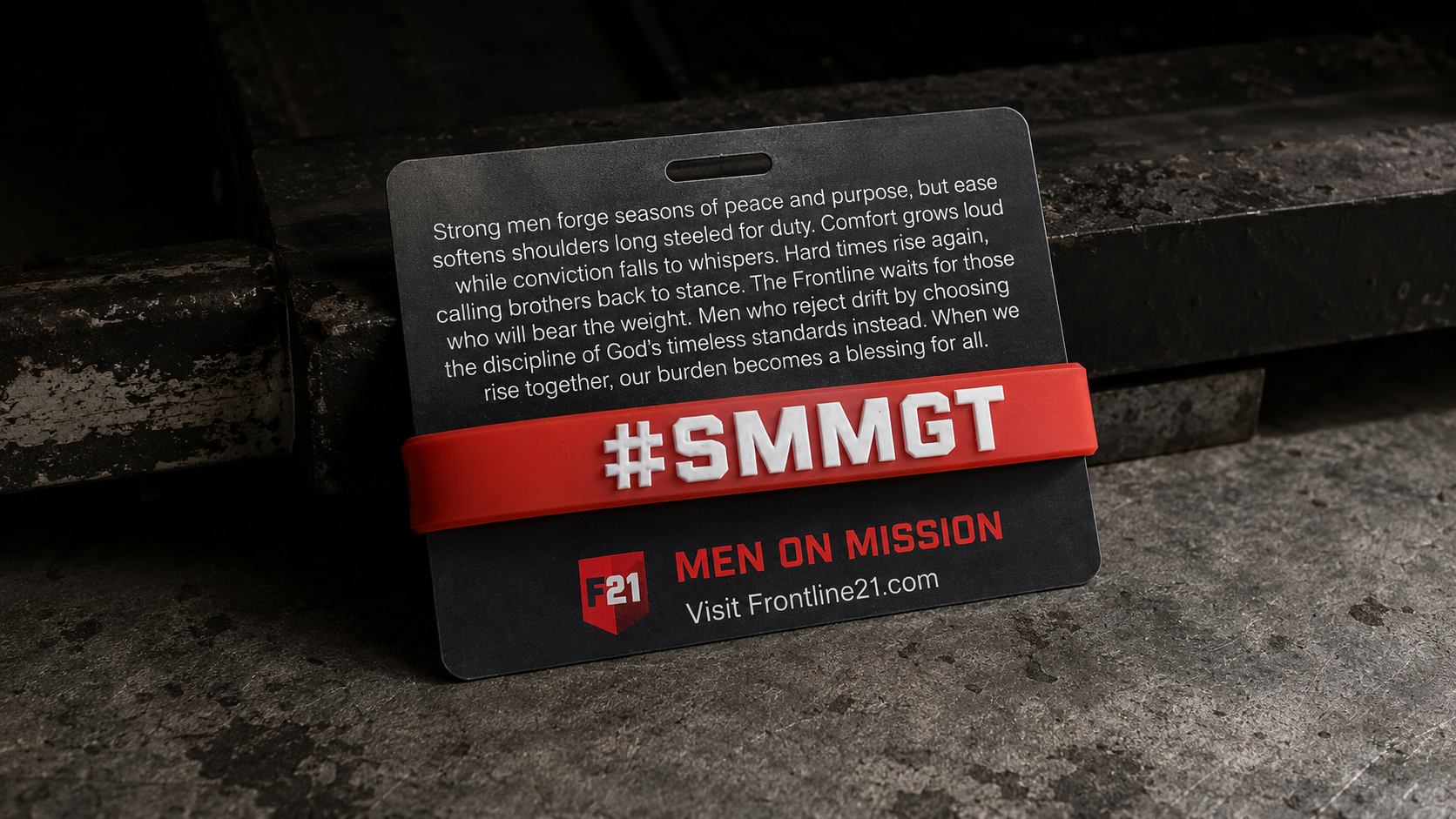
The Red Band Brotherhood
Discipline made visible. A small strip of rubber became a symbol of discipline, strength, separation and belonging.


Hold the line in your heart.
Hold the line in your home.
The decisive front was not the outrage on the screen. It was the habits that ruled a man and the home he had been entrusted to form.
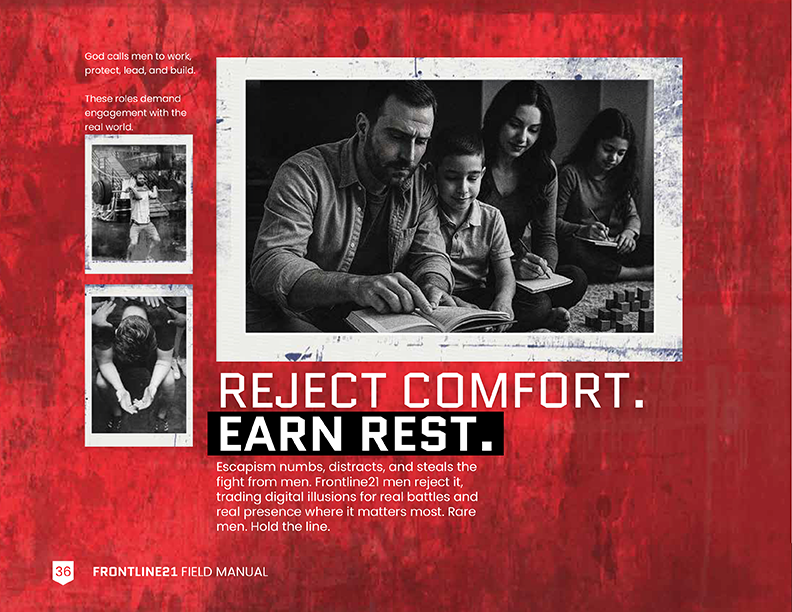
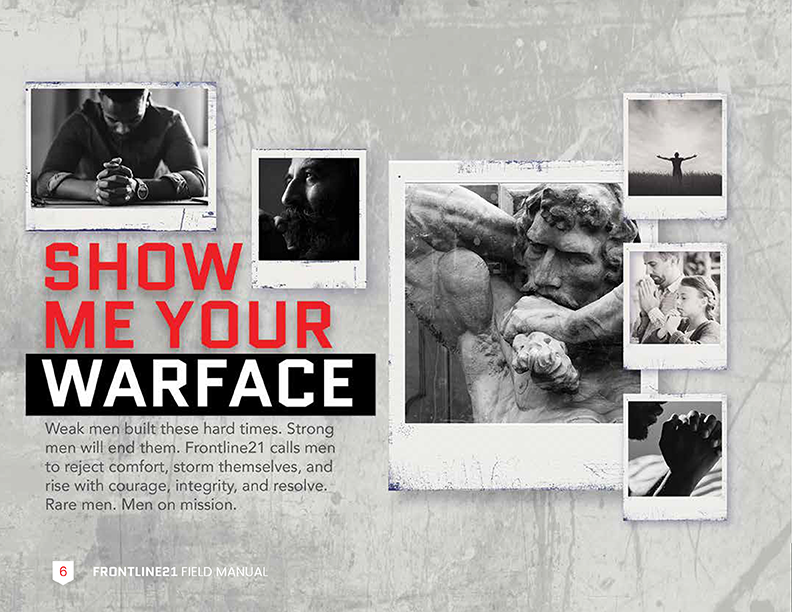
Reject comfort. Earn rest.
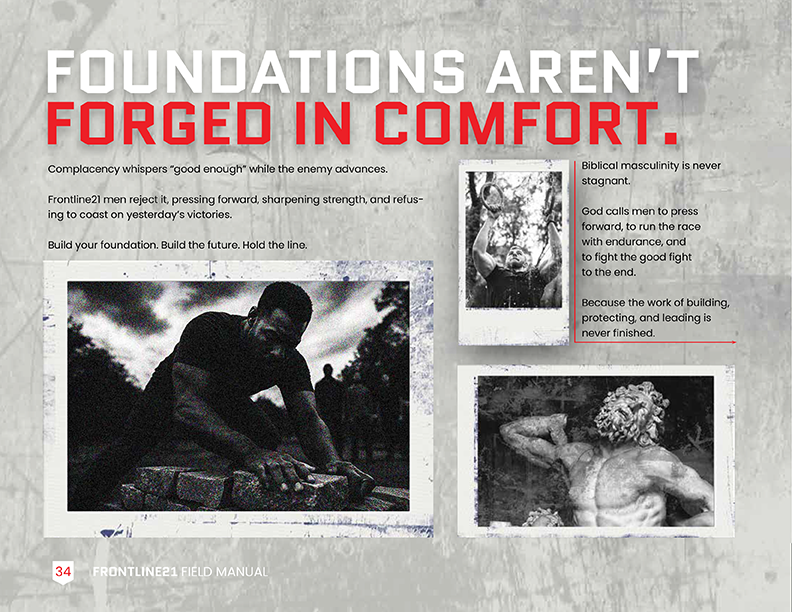
The Field Manual did not flatter. It gave orders.
The exchange
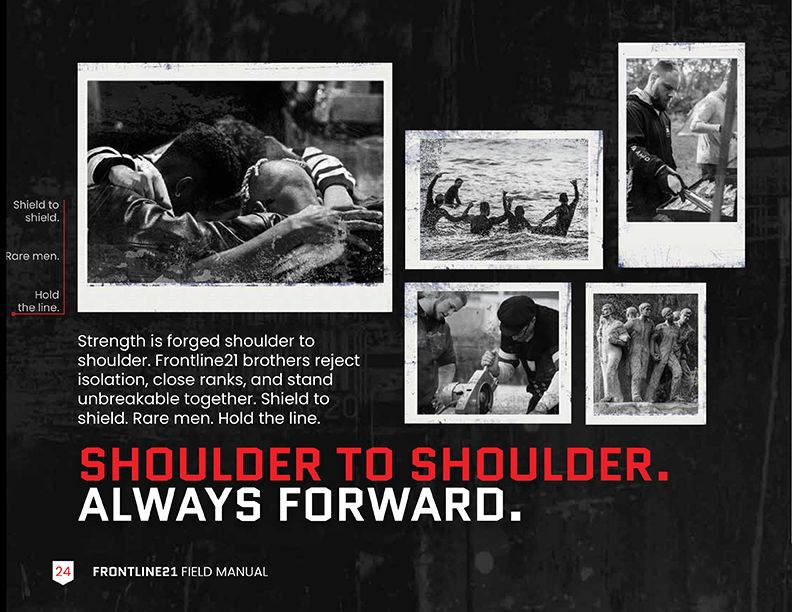
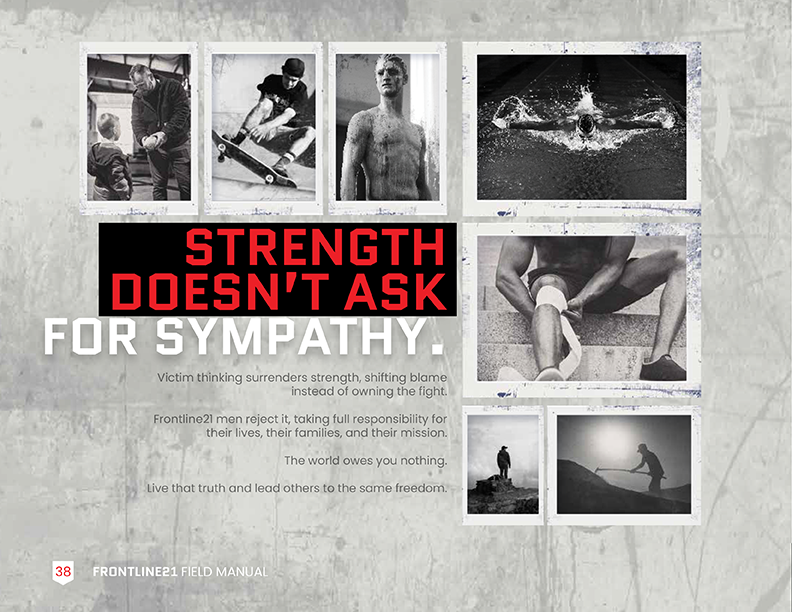
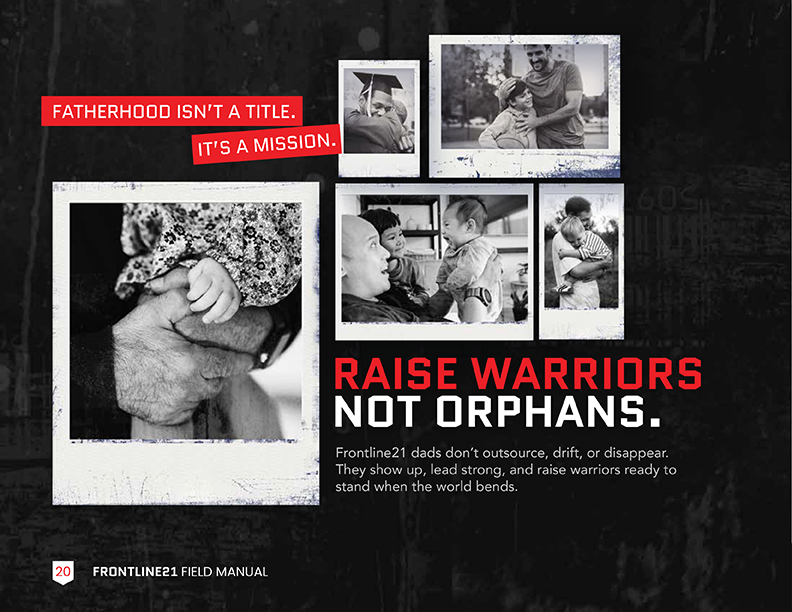
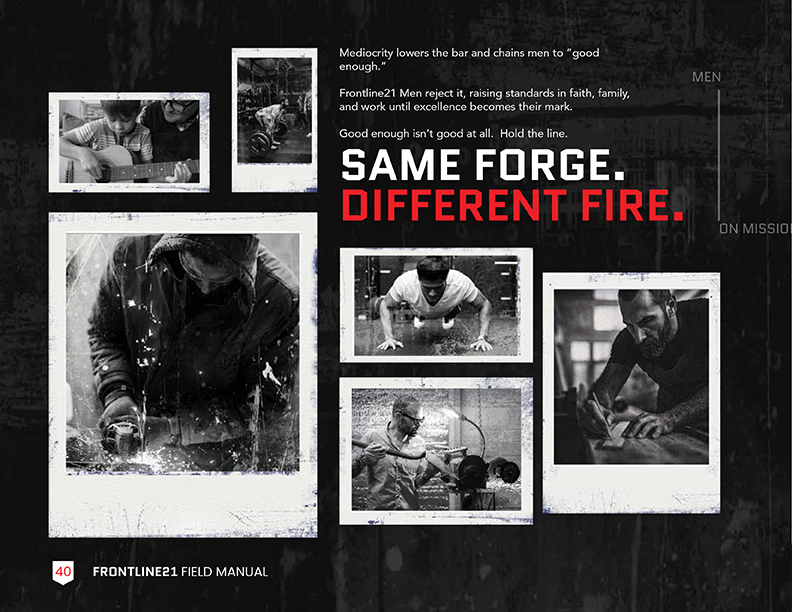
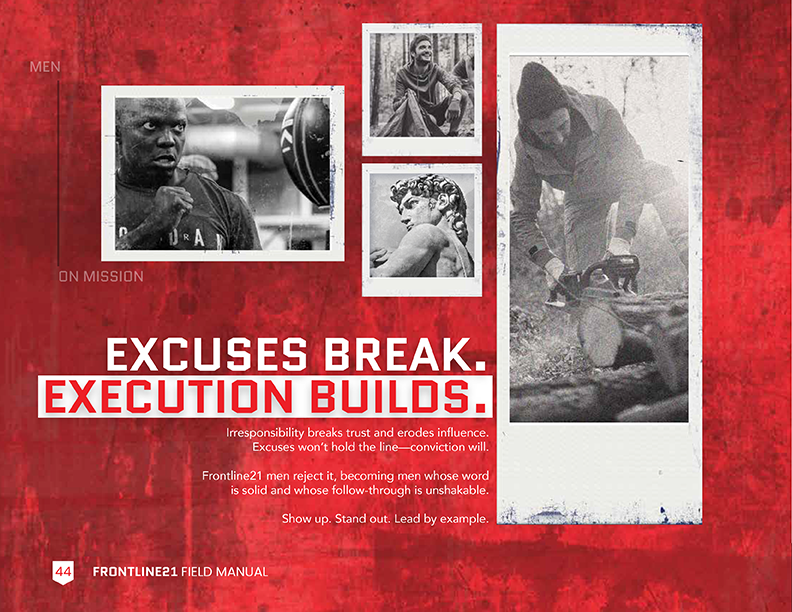
The campaign did not buy its way past the stigma. It designed the stigma out of the experience.
Recovery became formation. Accountability became a proactive masculine choice.
One route, one ask
Six influencers, a Field Manual, ten emails and a single Victory CTA.
01 · Reach
Six influencers + one December conference
02 · Exchange
Field Manual
for an email address
03 · Formation
Ten-part email series
identity before product
04 · Email five
The one Victory CTA
the only direct ask
05 · Choice
Victory account
chosen, not sold
Result
250+ accounts
Span
~8 months, one email
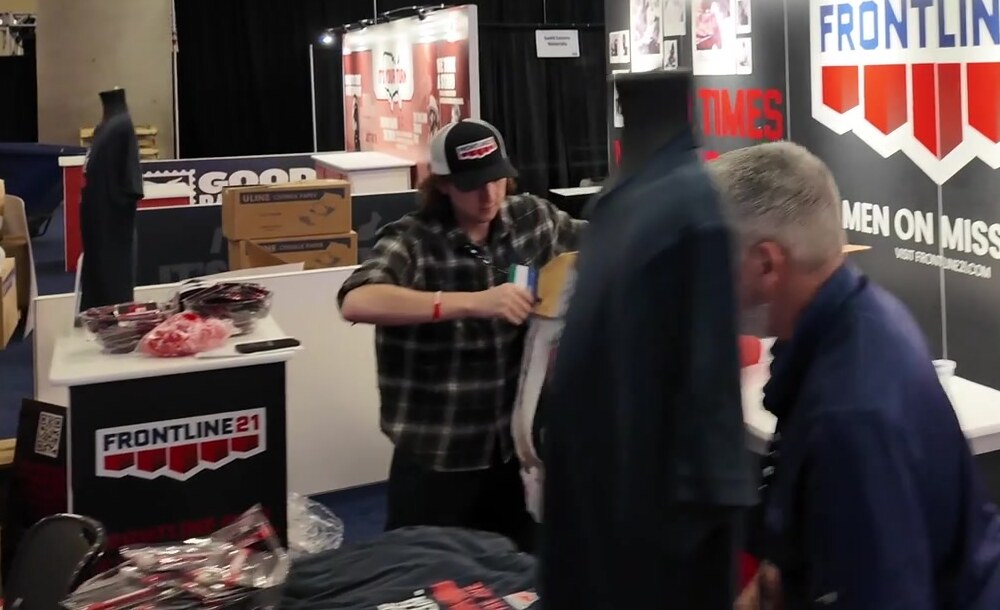
Men normally avoided the Covenant Eyes booth. Frontline21 drew them toward it.
They corrected the manual, shared their stories and asked how they could help fund the work.
Silent loop · conference energy
Victory account chosen, not sold.
Men chose the account as a symbol of commitment. The product followed the identity.
Special thanks
Special thanks to Karen Potter for her extraordinary partnership; to Tim Evans for his work in video production and documenting the conference; to Rob Stoddard for representing the brand with excellence at the conference; to Adam Cain and Brazen Animation for their collaboration and craftsmanship on the campaign films; and to Garry and Evan McKee for their help with design and concept development on Frontline21.